
 By Car playhoopgame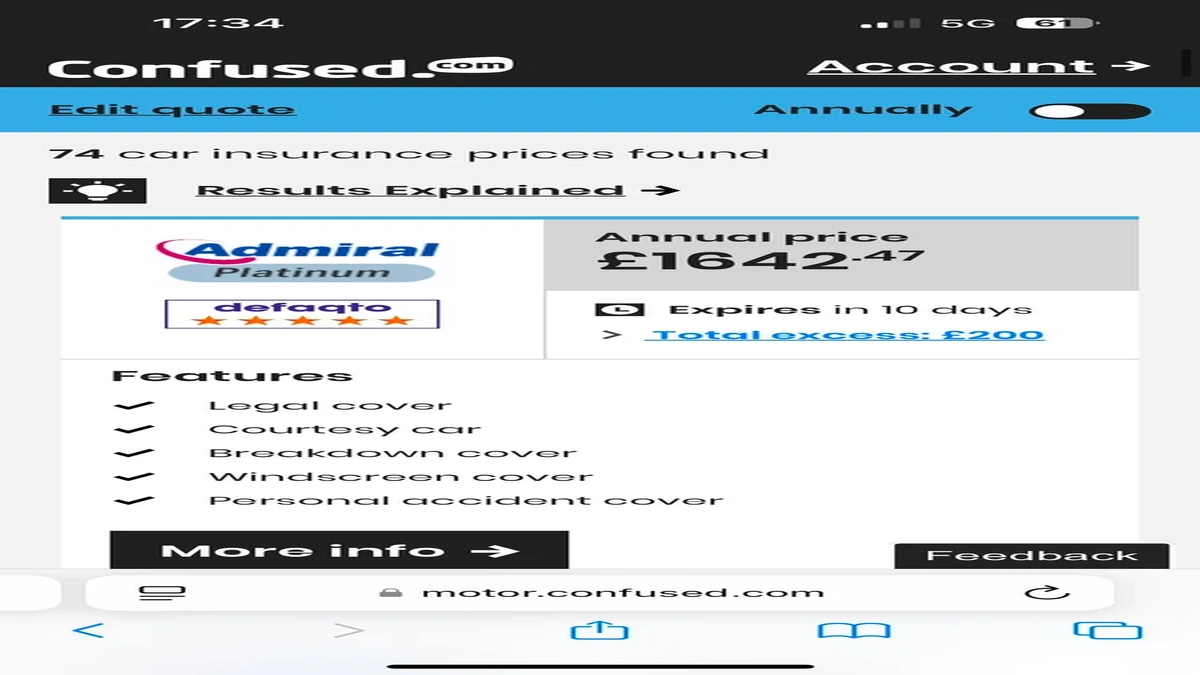
Picture this: You’re a young driver in the UK, fresh off passing your test, buzzing with independence. Then you get your first car insurance quote. Ouch. Suddenly, that independence feels a lot more expensive. This is often where the phrase ” black box car insurance UK ” pops up, promising a lifeline, a way to slash those eye-wateringcar insurance premiums. But what exactly is this little device, and is it truly the saviour it claims to be? As someone who’s seen countless drivers grapple with this decision, let me tell you, it’s not as straightforward as ‘cheaper premiums, better deal’. There’s a deeper ‘why’ here, a trade-off that goes beyond just pounds and pence.
Here’s the thing about black boxes, or telematics insurance as it’s officially known: they offer a tantalising solution to a very real problem, especially for young drivers . But, like any tempting offer, it comes with a nuanced set of pros and cons that you absolutely need to understand before you commit. My goal here isn’t just to list facts; it’s to peel back the layers, to explain why this technology is both a blessing and, potentially, a subtle form of digital oversight. Let’s dive in, shall we?
What Exactly is Black Box Insurance, Anyway? (And Why Does it Matter?)
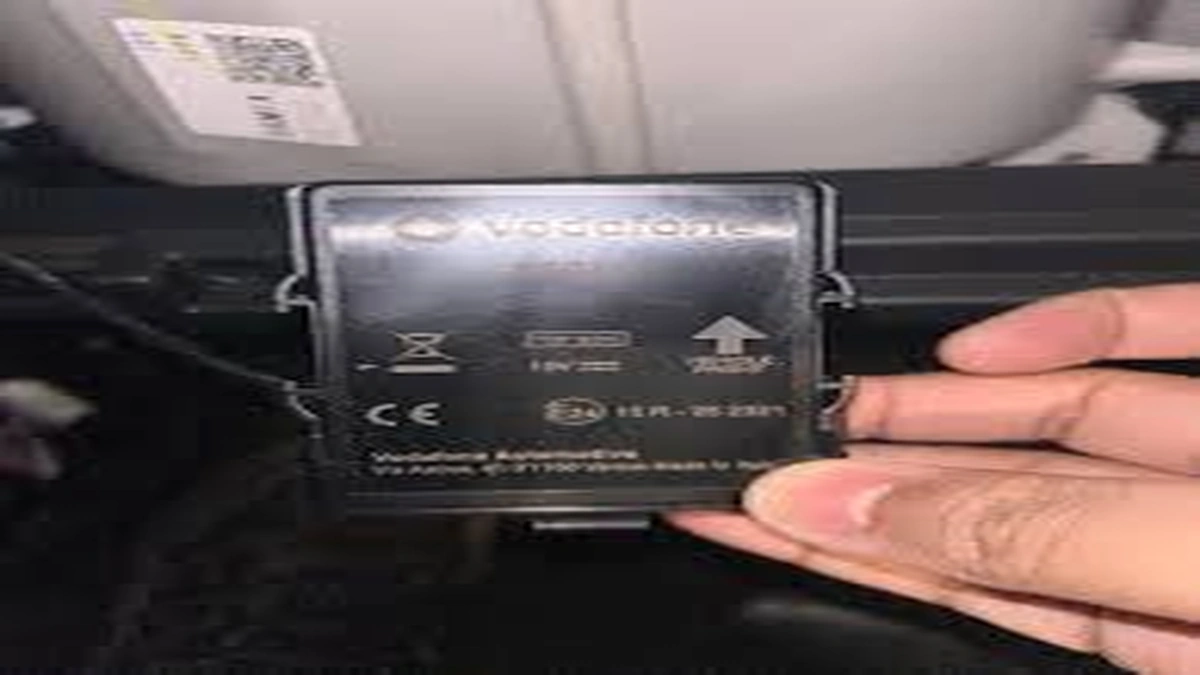
At its core, black box car insurance involves fitting a smalltelematics technologydevice into your car. Think of it as a tiny, silent co-pilot constantly monitoring your driving behaviour . This little gadget, often no bigger than a smartphone, uses GPS to track your location, speed, acceleration, braking, and even the time of day you drive. Some advanced ones might even detect harsh cornering or swerving. Insurers then use this data to assess your individual risk level, rather than lumping you into broad demographic categories.
Why does this matter so much? Well, historically, insurers have used broad brushstrokes to calculate premiums. If you were a young driver, statistically, you were deemed higher risk, regardless of how careful you actually were. This meant sky-highinsurance costs, often making car ownership a distant dream for many. The black box was introduced to disrupt this model, offering a personalised approach. It says, “Prove you’re a safe driver, and we’ll reward you.” It sounds great on paper, right? But the implications run deeper than just a cheaper quote. It’s about relinquishing a certain degree of autonomy in exchange for potential savings, a subtle shift in the power dynamic between driver and insurer. This is the essence of telematics insurance UK – a data-driven gamble on your driving style.
The Bright Side | Why Black Boxes Can Be Your Best Mate (The Pros)
Let’s start with the undeniably attractive aspects. The primary draw for most, especially young driver insurance UK seekers, is the potential for significantly reduced premiums. When you’re facing quotes north of £2,000, a black box policy that brings that down to a more manageable figure feels like a miracle. And it often is, for careful drivers.
Firstly, it encourages safer driving . Knowing you’re being monitored can make you more conscious of your speed, braking, and general road etiquette. I’ve seen countless drivers, initially sceptical, admit that their black box made them a better, more mindful driver. This isn’t just about saving money; it’s about developing good habits that could prevent accidents. This is where the ‘how black box works’ really shines – it’s a constant feedback loop.
Secondly, it offers a pathway to more affordable insurance for those traditionally penalised by age or lack of experience. If you consistently demonstrate responsible driving habits , your insurer might lower your premiums at renewal, or even offer bonuses. This can lead to some of the cheapest car insurance options available, particularly for those who otherwise wouldn’t qualify.
Thirdly, there’s a safety net aspect. In the unfortunate event of an accident, some black box devices can automatically detect a collision and alert emergency services. For parents of new drivers, this ‘guardian angel’ feature can offer immense peace of mind. It’s not just about what you pay, but the subtle added layers of protection and accountability that come with theblack box deviceitself. It’s a transparent way for insurers to genuinely assess risk, moving away from broad assumptions to concrete data.
The Catch | When Your Black Box Becomes a Big Brother (The Cons)
Now, for the flip side. While the promise of lower car insurance premiums is alluring, black boxes aren’t without their drawbacks, and some are pretty significant. The most prominent concern for many isdata privacy concerns. Your black box is constantly collecting data about your movements. Who owns this data? How is it stored? Who has access to it? While insurers promise data is used only for policy purposes, the idea of constant surveillance can be unsettling. It’s a genuine worry: are you trading financial savings for a loss of personal freedom on the road?
Then there are the restrictions. Many black box car insurance UK policies come with caveats. You might have curfews, meaning you can’t drive between certain late-night or early-morning hours, which are statistically higher-risk times. Exceeding these limits can lead to penalties or even policy cancellation. Mileage limits are also common, which can be a real headache if your circumstances change and you suddenly need to drive more. What initially seemed like a great deal can quickly become a rigid set of rules that don’t fit your life.
And what about “bad” driving? A harsh brake might just be you avoiding a deer, but the black box records it as a harsh brake. Consistent “poor” scores can lead to increased premiums, additional charges, or, in extreme cases, the cancellation of your policy. It’s a bit like having a driving instructor in your car 24/7, constantly judging. This can add a layer of stress to driving, especially if you’re worried about every little manoeuvre impacting your insurance costs .
Installation can also be a minor inconvenience, and some insurers might charge for it, or for removal if you switch providers. The underlying point is that while the black box offers a solution, it also introduces a new set of conditions and potential anxieties that are worth carefully considering. It’s a balance, and sometimes the scales tip more towards the ‘big brother’ than the ‘best mate’.
Navigating the Telematics Tightrope | Is it Right for You?
So, after weighing the pros and cons, the big question remains: is black box car insurance right for you? There’s no one-size-fits-all answer, but we can analyse who benefits most and who might find it more restrictive.
You’re likely a good candidate if:
- You’re a new or young driver facing exorbitant traditional premiums.
- You genuinely consider yourself a safe, cautious driver with good driving habits.
- You don’t typically drive during high-risk hours (late nights, early mornings).
- You have a predictable, moderate mileage.
- You’re comfortable with the idea of your driving data being monitored in exchange for savings.
On the other hand, you might want to think twice if:
- Your job requires frequent late-night driving or high mileage.
- You value complete privacy regarding your movements and driving style.
- You often find yourself in situations requiring sudden braking or acceleration (e.g., city driving with aggressive traffic, or simply reacting to unpredictable road users).
- You’re an experienced driver with a good no-claims bonus who already gets competitive rates without telematics.
Ultimately, choosing a black box policy is about understanding the policy terms and making an informed decision. It’s a trade-off: you get the potential for lower premiums and the benefit of potentially becoming a safer driver, but you also agree to a level of scrutiny and potential restrictions on your driving freedom. It’s about asking yourself: what price are you willing to pay, beyond just the monetary premium, for your car insurance?
Frequently Asked Questions About Black Box Insurance
Can I switch off my black box?
No, the black box device is designed to be continuously active while your vehicle is in use. Attempting to tamper with or switch off the device will likely violate your black box car insurance policy terms and could lead to cancellation or penalties.
What happens if I speed with a black box?
The black box records your speed. Consistent or excessive speeding will register as negative driving behaviour , which can lead to your insurer increasing your premiums, applying charges, or even cancelling your policy. It’s a direct reflection of your risk profile.
Does a black box track everywhere I go?
Yes, a black box uses GPS to track your location and journeys. This data helps assess your risk based on the types of roads you use and the times you drive. While this raises data privacy questions, insurers typically state they only use the data for policy-related purposes.
Will a black box lower my insurance cost guaranteed?
A black box offers the potential for lower insurance costs , especially for higher-risk groups like young drivers . However, it’s not a guarantee. Your premiums will depend on your actual driving performance. If your driving habits are deemed unsafe, your costs could increase.
How long do I need a black box for?
The duration varies by insurer and policy. Some policies require it for the first year, while others might extend it for two or three years, or as long as you remain with that specific telematics policy. Always check the specific policy terms before signing up.
In conclusion, black box car insurance UK isn’t just a gadget; it’s a paradigm shift in how car insurance is calculated and experienced. It’s a fascinating blend of technology and economics, offering a genuine opportunity for significant savings, particularly for those who struggle with traditional premiums. But it also introduces a layer of scrutiny and potential restriction that demands careful consideration. Don’t just look at the headline price; delve into the ‘why’ behind the policy, understand the full implications for your driving life, and make a choice that truly aligns with your needs and comfort levels. Drive safe, drive smart, and always be informed.